
Most scams don't beat clever people. They beat tired, busy or rushed people. So the best defence isn't being smarter, it's a few habits you run on autopilot. Here are five that stop most of what reaches your phone and inbox.
1. Pause for ten seconds
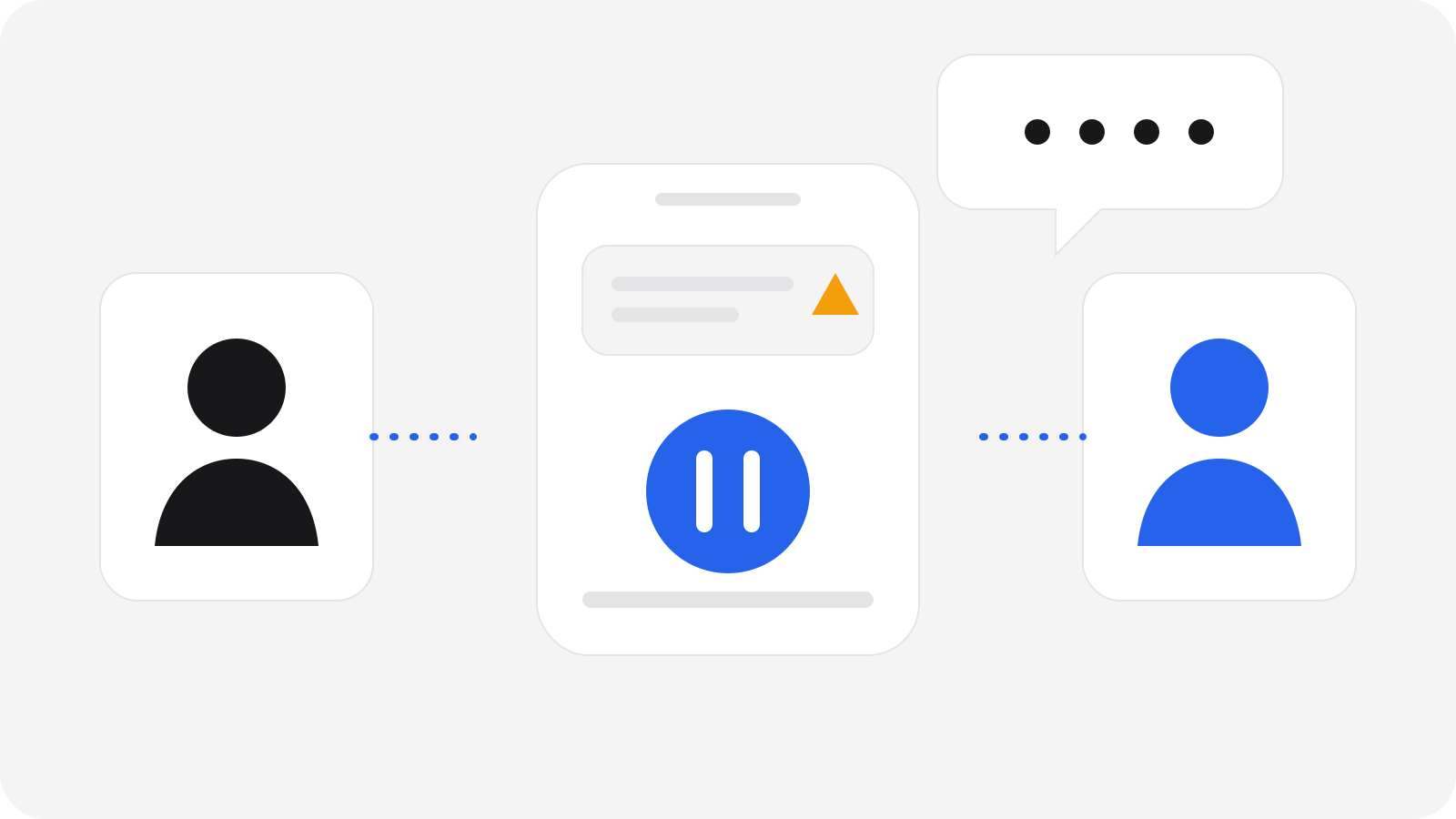
Scams run on urgency: "act now", "last warning", "your account will be closed". The urgency is the tell. Put the phone down, breathe, count to ten. Nothing real expires in ten seconds.
2. Check through a second door
Never verify a message using the message itself. Open your bank's own app, or call the number on the back of your card, and ask there. If the message was real, you'll find the same thing waiting for you.
3. Never read out a code
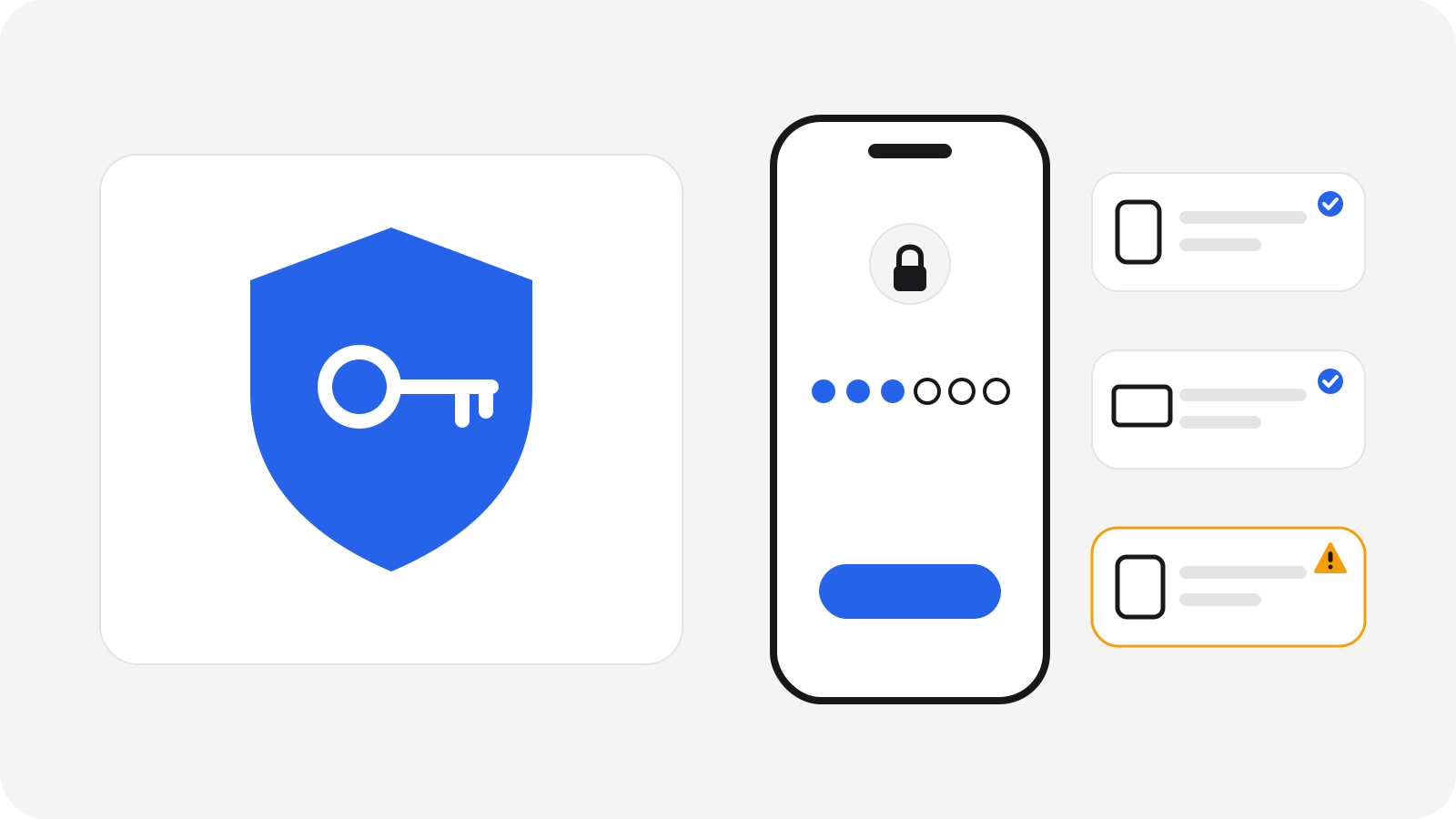
One-time codes, bank-app approvals and PINs are keys, not paperwork. No bank, shop or delivery company needs you to read one out loud or type it into a page someone sent you.
4. Skip the link
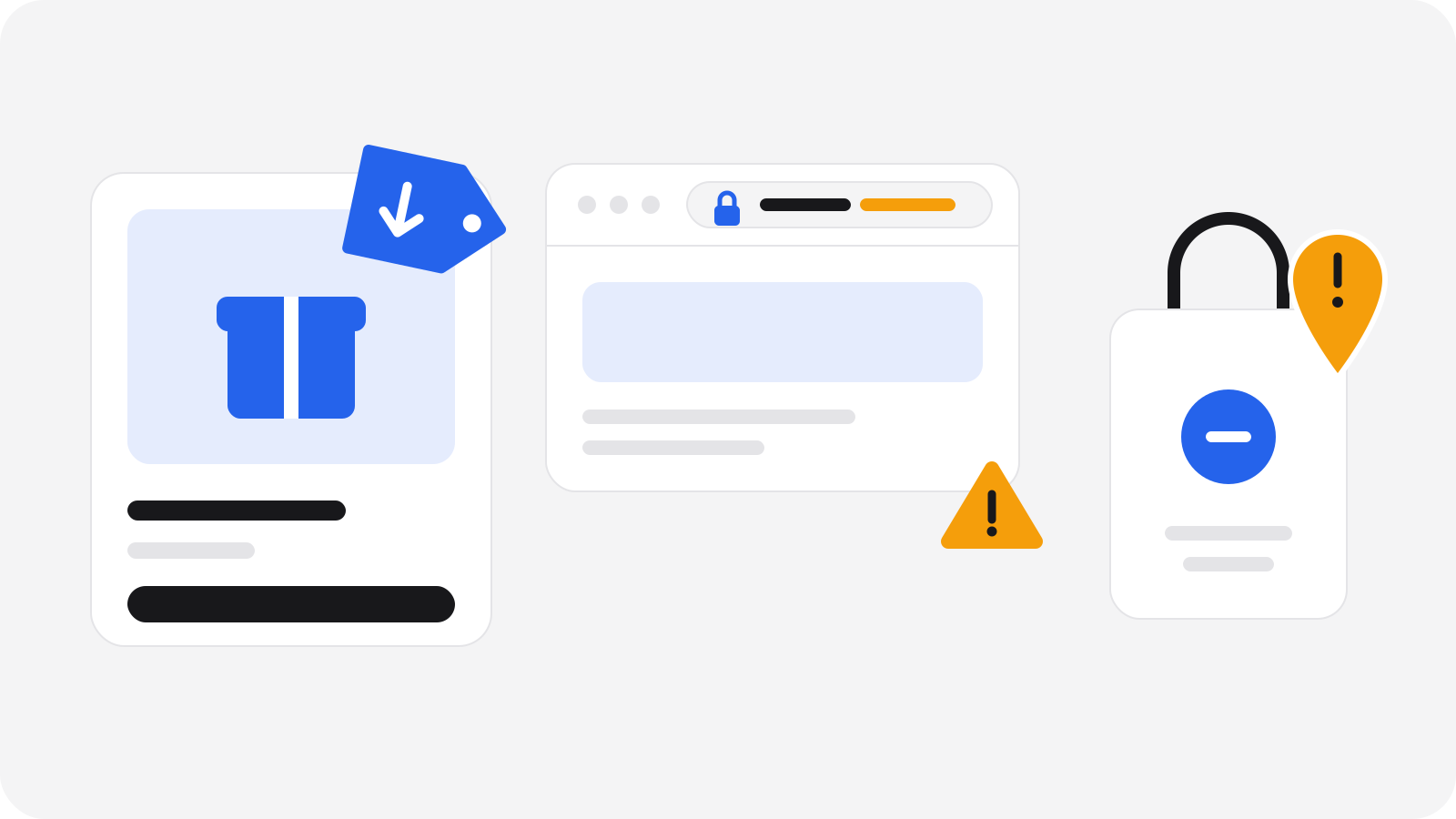
Don't tap links in messages you weren't expecting, even when they look right. Type the address yourself or use the app you already have.
5. Tell someone
Scammers count on you feeling embarrassed or alone. Show the message to a friend or family member before you act, and again afterwards if you already did. Saying it out loud breaks the spell.
The pressure lines, and your move
| What they say | What it's really for | Your move |
|---|---|---|
| "Your parcel is on hold" | Getting you to tap a fake link | Open the carrier's own app |
| "Suspicious activity on your account" | Making you panic and log in on a fake page | Call the number on your card |
| "Hi Mum, this is my new number" | Using a familiar voice to skip your doubts | Call the old number |
| "Pay today or you'll be fined" | Hurrying you past thinking | Ask for it in writing and take your time |
If something feels off, it usually is. You don't need proof to hang up.
If you already slipped
It happens to careful people every day. Call your bank straight away, change the password of anything you reused, and tell someone. Acting fast matters far more than feeling embarrassed.