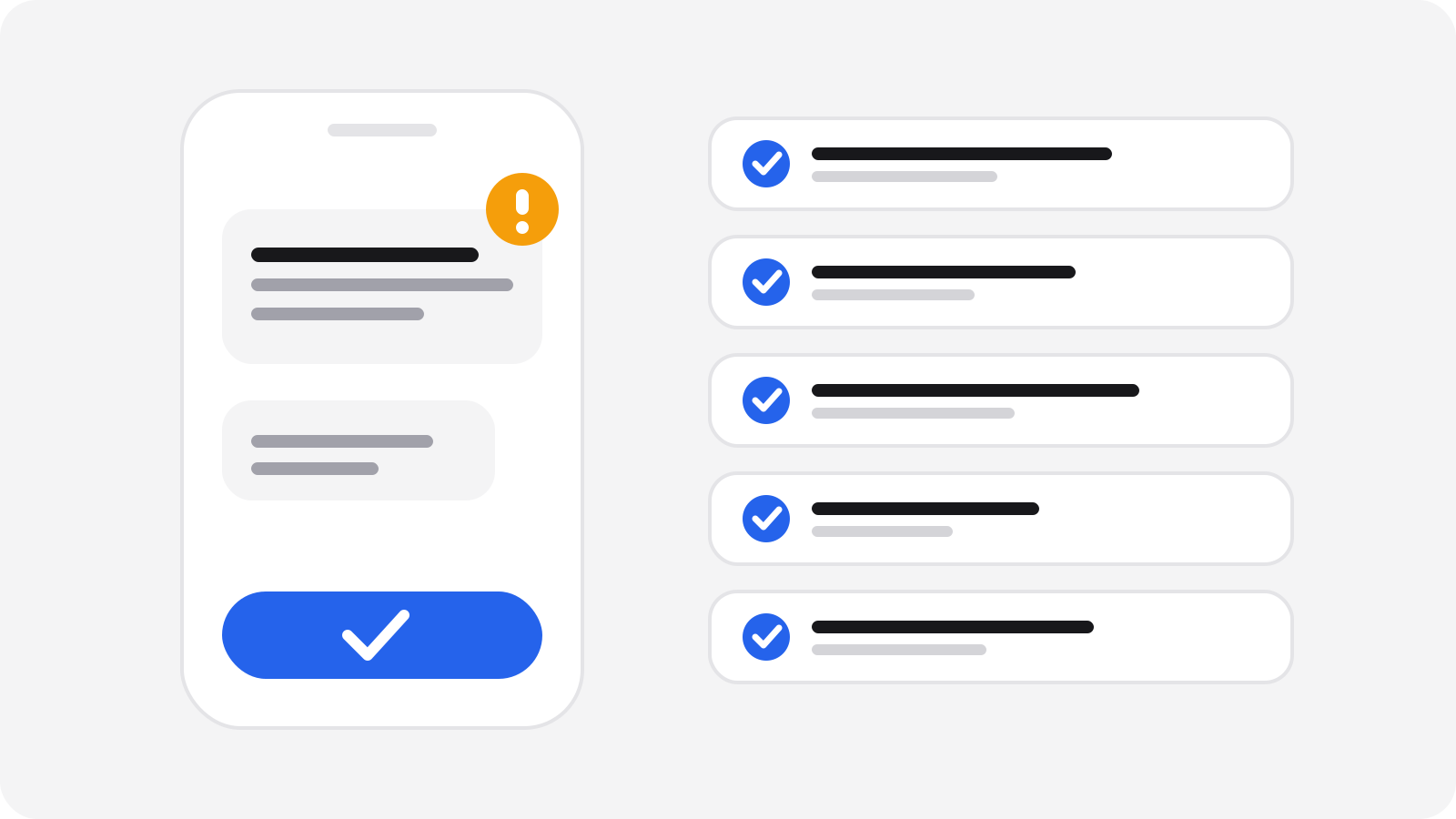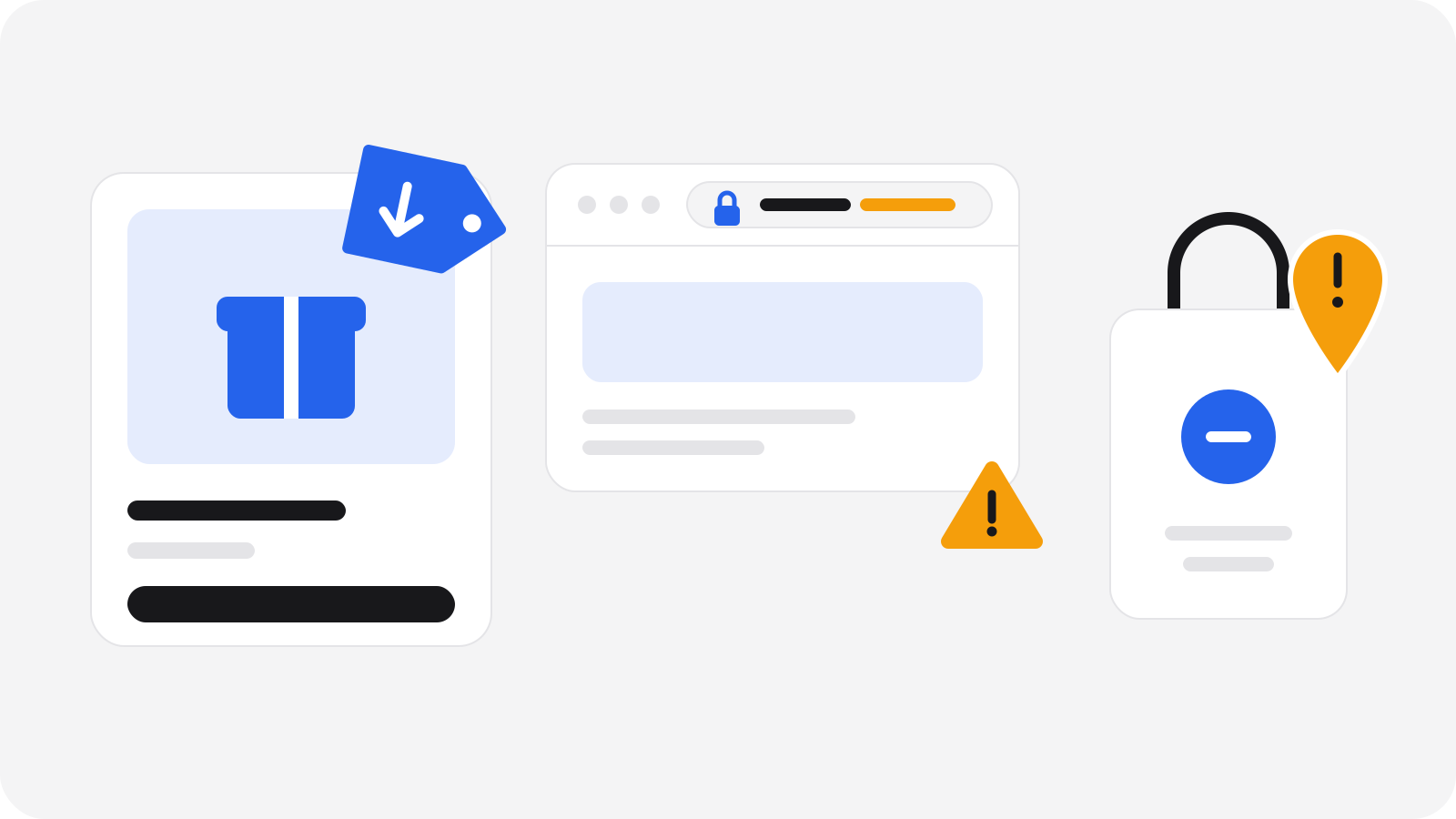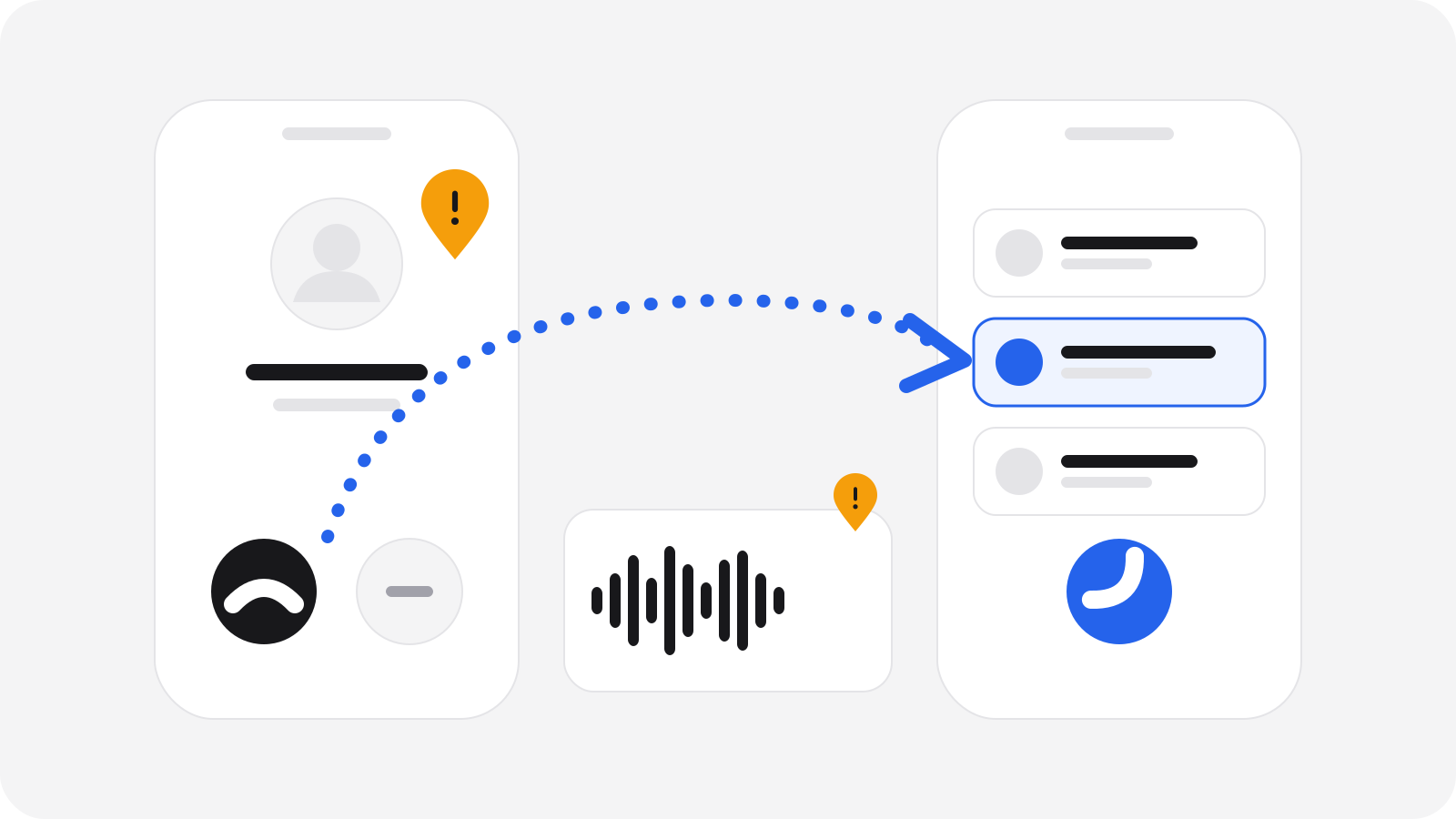

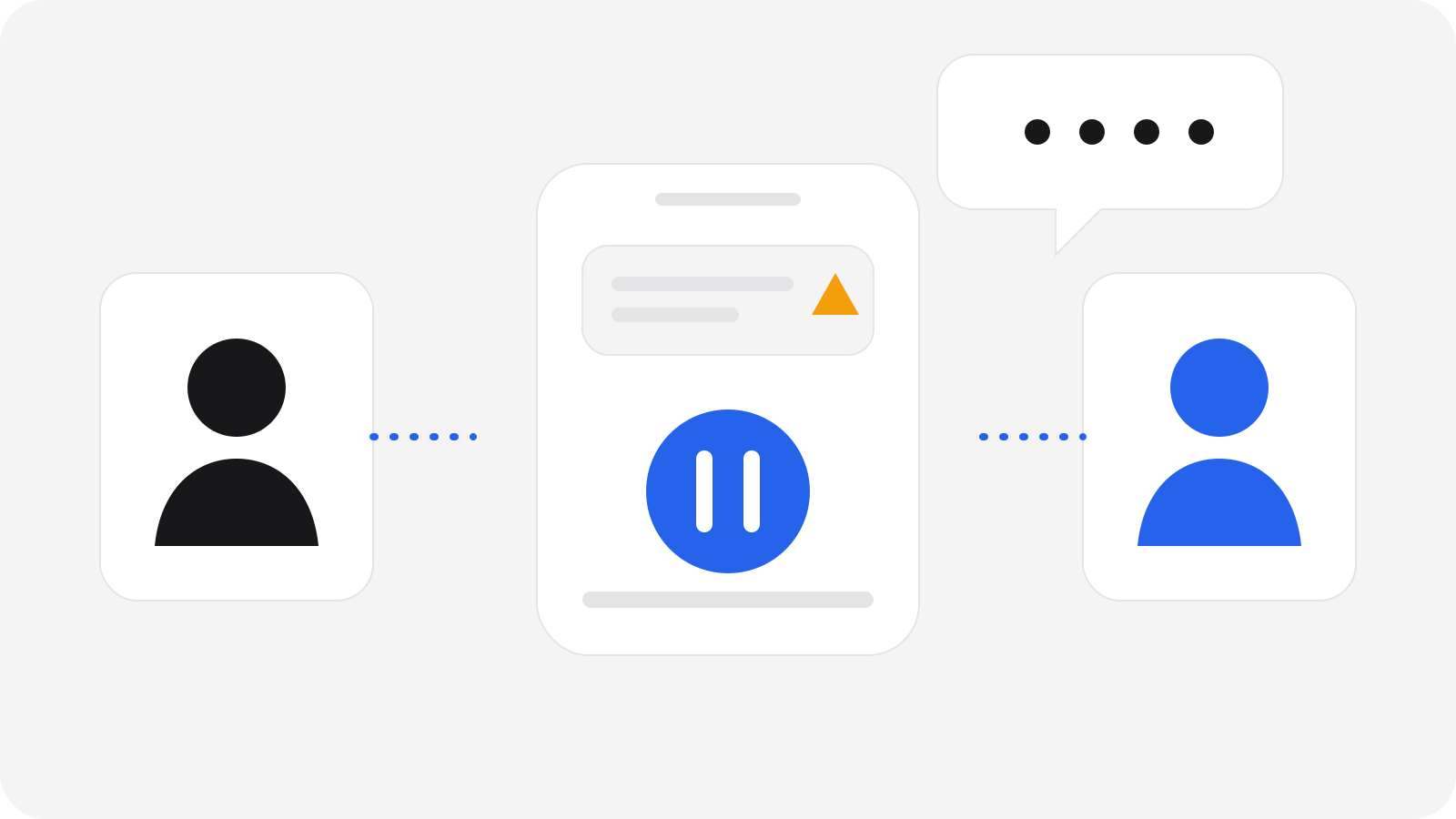
The best way to help an older parent or relative with scams is to agree a few simple rules together, not to monitor them. Start with a "pause and call me" rule, add a family code word for phone calls, and set up protection like 2-step verification and bank alerts side by side. Keep it kind and practical: scams work on smart, careful people, so this is never about intelligence.
Why a rule works better than a lecture
Scammers rely on pressure. A message that says your account will be closed today, or a caller who says a relative is in trouble, is built to make you act before you think. The most useful thing you can give a parent is not a list of scam types. It is permission to slow down.
A rule they helped write is also easier to keep than advice handed down to them. You are not saying "I don't trust you to handle this". You are saying "everyone in the family does it this way, including me".
What is a "pause and call me" rule?
It is one sentence the whole family agrees on: if something asks for money, a code, a password or a quick decision, pause and check with a person you trust before you do anything.
That is all. It does not mean they must ask permission. It means a second pair of eyes is welcome, at any hour, with no questions about why they are asking.
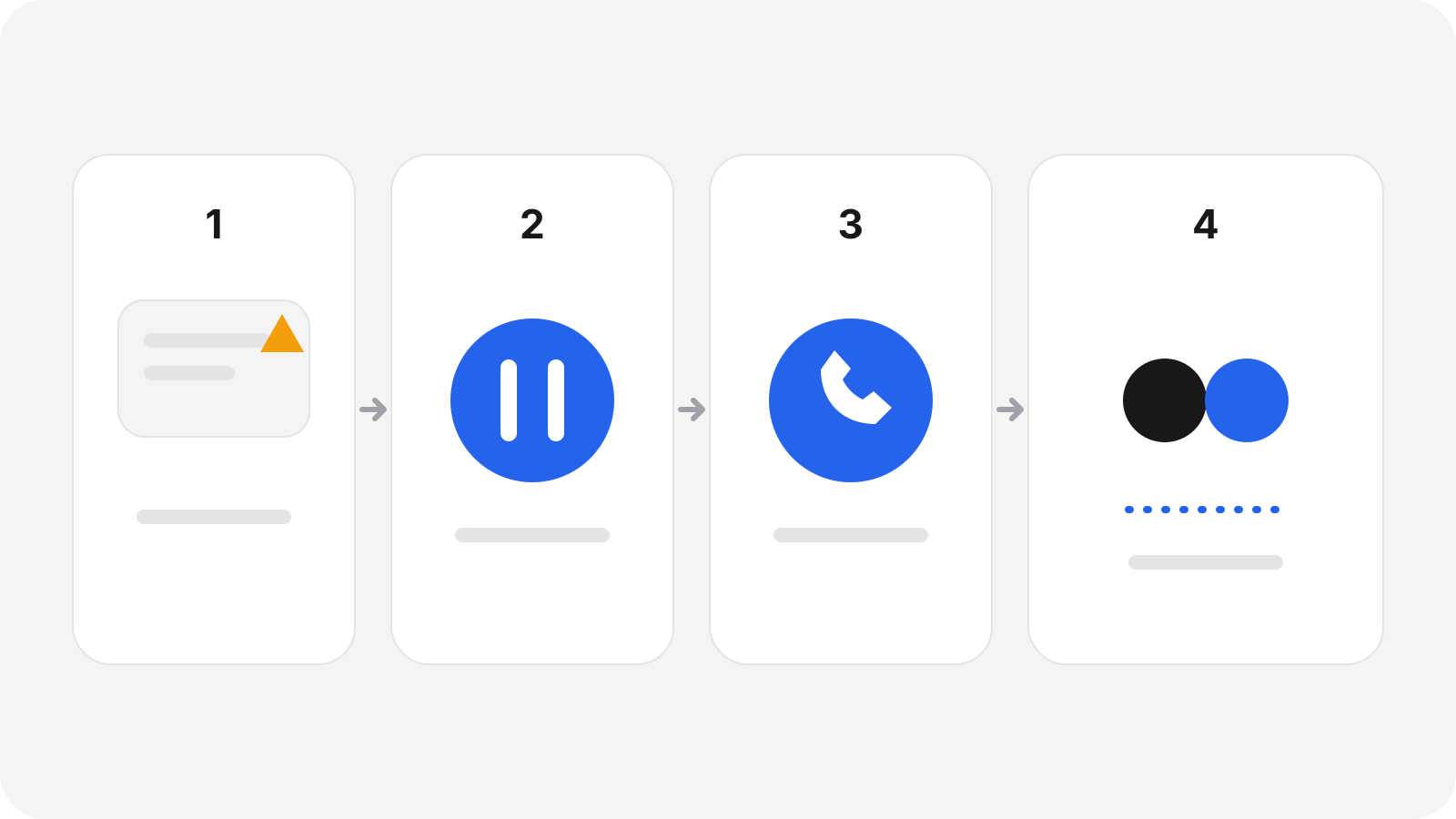
Make it easy to keep:
- Say out loud that they can call you about anything, even if it turns out to be real. A false alarm costs nothing.
- Name a second person (a sibling, a neighbour, a friend) in case you cannot pick up.
- Add the line "no real bank, authority or delivery company will mind you taking ten minutes to check".
- Agree that you will do the same. Tell them about the odd message you got last week.
How does a family code word help with phone calls?
A common phone scam is a caller who pretends to be a grandchild, child or other relative who is in trouble and needs money fast. Voices on the phone can be imitated, and a panicked tone makes anything sound plausible. A code word cuts through that.
Pick a word or short phrase together. Then:
- Choose something that is not on social media, not a pet's name or a birthday, and not easy to guess. Two unrelated words work well.
- Say it only in person or on a call you started. Never type it into a message or an email.
- If a "relative" calls with an emergency, your parent asks for the word. No word, no money. Hang up and call the person back on the number already saved in the phone.
- Change it if it was ever said out loud somewhere others could hear.
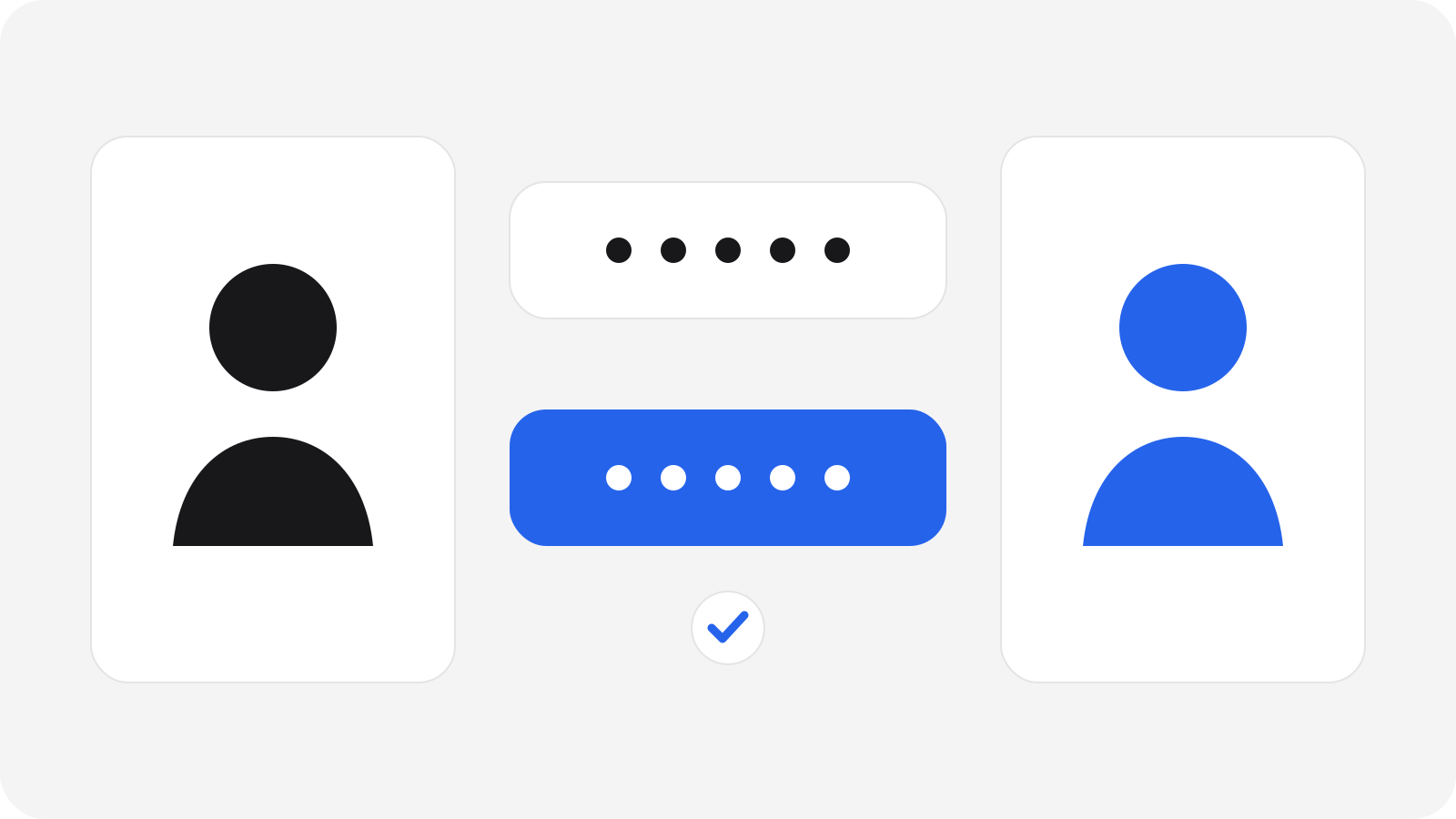
It can feel a bit like a spy game. That is fine. Many families find the lightness makes it easier to adopt.
What should we set up together?
Do these side by side, at the kitchen table or on a video call, rather than doing it for them. They should understand what each setting does and know how to undo it.
- 2-step verification on email and the main accounts. Email matters most, because it can reset everything else. Explain one rule clearly: a code you get by text or app is only for you, and no one who calls or messages you should ever ask for it.
- A password manager or a written list kept somewhere safe, so they are not reusing one password everywhere. Showing how to open it is more useful than a lecture on password rules.
- Bank alerts, so every card payment or transfer sends a notification. Ask your parent's bank which alerts exist and switch on the ones that fit.
- Call blocking. Most phones can silence unknown callers or filter suspected spam, and many mobile providers offer a spam filter. Check what your parent's phone and provider offer, and test it together.
- Software updates on automatic, for the phone and the computer.
- Saved numbers. Save the bank's real number, and yours, so there is no need to search for one in a panic.
- A shared "is this real?" habit. A family chat or a simple routine where anyone can post a screenshot and ask "does this look right?" with no judgment.
How do you talk about it without shame?
How you say it matters more than what you say. Scams are crimes run by organised, practised people, and they work on professionals, students and experts too.
- Start with your own story: "I nearly clicked on one last week."
- Ask instead of tell: "What would you do if a text said your parcel was on hold?"
- Praise the pause. If they call you about something that turns out to be real, say thank you.
- Avoid "you should have known". If they ever got caught, the first words they hear from you should be "I'm glad you told me".
- Do not take over their money or accounts unless they ask, or unless there is a real safety issue that you have discussed openly together.
Real contact or a scam? A quick comparison
| Often a scam | Usually real | |
|---|---|---|
| Urgency | "Act today or lose your account" | Time to read, think and check |
| How they ask for money | Gift cards, crypto, "safe account" | Normal invoices you recognise |
| Codes | Asks you to read out a code | Never asks for a code you received |
| Who calls | Unknown number, "your bank" or "a relative" | You call the saved number back |
| Secrecy | "Don't tell anyone" | No problem if you check with family |
Any single sign is not proof, but several together mean: pause and call.
What to do if it already happened
Stay calm. It happens to careful people, and speed helps far more than blame.
- Call the bank now using the number on the card or in the bank's official app. Ask them to block the card or stop the payment, and explain what happened.
- Change passwords on the real site and anywhere the same one was used, starting with email. Turn on 2-step verification.
- Stop contact. Do not reply, do not pay a "fee to get the money back", and be wary of anyone offering to recover lost money for a charge.
- Report it. Contact your local police or your national fraud reporting service. In England, Wales and Northern Ireland that is Report Fraud (reportfraud.police.uk). In Scotland, call Police Scotland on 101. Forward scam texts to 7726.
- Be kind. Sit with them first, and fix the accounts second.
The short version
Agree the "pause and call me" rule, choose a code word, set up the protections together and keep the tone warm. A parent who feels safe asking is much harder to scam than one who feels watched.
Scamory is being built to give families a private way to check suspicious messages and links. It is not live yet.